


What are functional mushrooms?
Nootropics (pronounced "no-eh-troh-piks") are substances that enhance cognitive function, memory, and learning, often referred to as "smart drugs". While synthetic versions are typically prescription-only, natural nootropics are widely available as supplements and herbal extracts.
The term "nootropic" combines two Greek words: nöos (mind) and tropein (to guide). This "mind-guiding" concept reflects their ability to enhance and direct cognitive processes.
While initially studied for cognitive impairment, natural nootropics have gained popularity among healthy individuals seeking to optimize memory and learning capabilities.
The brain requires a disproportionately high percentage of the body's oxygen and blood supply relative to its size. Natural nootropics act as vasodilators in the brain, increasing blood flow to deliver more oxygen, nutrients, and energy.
These compounds provide protection against inflammation and cognitive aging while stimulating the growth of new neurons. This enhancement of neuronal activity contributes to neuroplasticity—the brain's ability to reorganize its connections and functions in response to learning and experiences.
Natural medicines have been used since ancient times to prevent and treat ailments while promoting well-being and longevity. However, the term 'nootropic' only emerged in the early 1970s when Professor Corneliu E. Giurgea described substances that specifically activate cognitive functions involved in memory and learning.
Today, natural nootropics are available as teas, pills, or capsules, and the efficacy of plants and fungi with long histories of traditional use is increasingly being validated by scientific studies.
Adaptogens are plants and fungi that help the body resist various stressors by improving its ability to adapt and maintain balance. Unlike conventional medicines that target specific pathways, adaptogens work through multiple networks, primarily by regulating stress hormones to restore homeostasis.
Adaptogens excel at protecting against stress by helping the body maintain homeostasis—a state of physiological balance. Their ability to mediate stress hormone levels allows the body to better adapt to challenging situations.
These natural compounds provide broader benefits by protecting against chronic inflammation, arterial hardening, neurodegenerative disorders, cognitive impairment, metabolic disorders, cancer, and various age-related diseases.
Regardless of the stressor, adaptogens increase resilience by activating cellular and organ defense systems. Their multi-target mechanisms provide potential benefits for preventing and treating stress-induced disorders.
The range of conditions that may benefit from adaptogenic action is extensive: chronic fatigue, memory impairment, depression, anxiety, sleep disturbances, diabetes, heart disease, high blood pressure, chronic inflammation, autoimmune diseases, infections, skin diseases, liver disorders, and even certain cancers.
The term "adaptogen" first appeared in Soviet literature during the mid-20th century, as researchers sought to understand how these plant compounds help maintain resilience against harmful challenges.
Adaptogenic plants have long been integral to numerous healthcare systems, including Russian and Traditional Chinese Medicine (TCM), Ayurveda, and Kampo (Japanese adaptation of TCM introduced in the 7th century).
 Chaga
Chaga 
Often referred to as the 'king of mushrooms', chaga grows on the bark of birch trees in cold northern climates, where it has been used as a folk remedy for centuries.
In Siberian and Russian traditional medicine, chaga (Inonotus obliquus) was brewed as a tea and valued as a tonic for general vitality and longevity. Its use was so widespread across Northern Europe and Asia that it became known as the "gift of God" and the "mushroom of immortality" - a title it shares, fittingly, with reishi.
What makes chaga particularly remarkable is its extraordinary antioxidant profile. It ranks among the highest of any natural food on the ORAC (Oxygen Radical Absorbance Capacity) scale, largely due to its rich concentration of melanin - the same pigment responsible for its striking dark exterior.
Chaga also contains betulinic acid, a compound it absorbs from the birch trees on which it grows, which has been studied for its anti-inflammatory and immune-supporting properties. Its polysaccharides, particularly beta-glucans, contribute to its reputation as a powerful modulator of the immune system - helping to both stimulate and regulate the body's natural defenses.
As with its fellow functional mushrooms, the method of extraction is critical to unlocking chaga's full potential, and not all products on the market are created equal. Book a consultation to find out whether chaga is a good fit for your wellness goals, and how to source and prepare it for maximum benefit.
 Cordyceps
Cordyceps are a uniquely weird fungus, in that they grow on the larvae of insects.
While over 350 different species of cordyceps have been identified to date, and with a rich history of traditional use for at least 300 years in Chinese and Tibetan medicine, still only one species - Cordyceps sinensis - has been officially recorded in the Chinese pharmacopoeia since 1964; but it is nonetheless one of the most famous Chinese medicines, and medicinal mushrooms.
Folk healers in the Himalayan region of Sikkim have used it as a tonic for "all illnesses", with claims that it improves appetite, stamina, libido, endurance, and sleeping patterns.
Its contemporary use has gained popularity as an adaptogenic functional mushroom, particularly in regards to performance, as it stimulates the body's cells to produce more of the molecule adenosine triphosphate - which is essential for delivering energy to the muscles and improving your body's use of oxygen during exercise.
The potential for this mushroom to improve exercise was famously noted in 1993, when the Chinese Olympics female running team broke records for 1,500, 3,000 and 10,000 metres, causing suspicion and accusations of using performance-enhancing steroids - however, tests showed zero steroid use and their coach revealed that he had requested the team to take cordyceps after each training session.
With numerous other uses, ranging from addressing lung and kidney problems to sexual dysfunction, it must be noted that again, some methods of application are more useful than others in allowing us to access beneficial compounds such as cordycepin. Get in touch to discuss whether cordyceps can help you, and how their benefits can be unlocked.
 Lion's Mane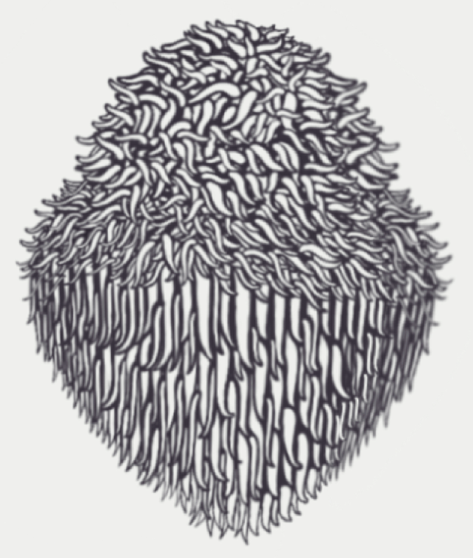
This increasingly popular mushroom has been revered for centuries by the Yamabushi Buddhist monks of Japan, who use it for mental clarity during meditation.
For centuries this mushroom has been studied for its cognition-enhancing abilities, with recent studies showing its ability to enhance the 'nerve growth factor' (NGF).
The active ingredients, known as erinacenes and hericenones - derived from its Latin name Hericium erinaceus (meaning 'hedgehog') - are what stimulate NGF, and make lion's mane a potential treatment for neurodegenerative disorders such as Parkinson's disease and Alzheimer's.
There are ways of consuming these compounds which render them more and less bioavailable, and conditions for which lion's mane is more and less suitable. Book a consultation to find out if lion's mane is right for you, and how to get the most out of it.
Reishi 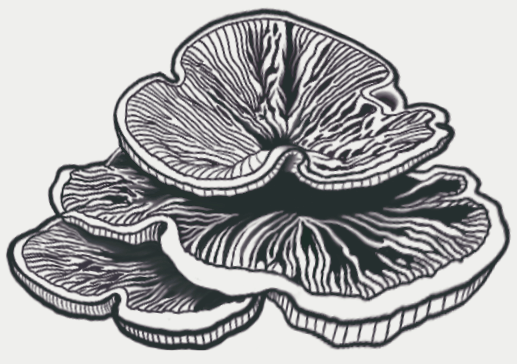
Known as the 'mushroom of immortality' in ancient China, this powerful fungus has been used for over 2,000 years to restore and maintain the body's balance and harmony.
Some of the traditional benefits of reishi include anti-aging and enhancing memory, with more recent studies showing increased blood flow to the brain and effects on neurotransmitters, suggesting a positive nootropic effect.
One compound in particular, ganoderic acid A (related to the Latin name for reishi, Ganoderma lucidum, meaning shining bright) has been shown to be responsible for improvement in brain function and metabolism, cell recycling, and prolonging the length of telomeres (which determines the lifespan of cells).
The beneficial compounds, known as triterpenes, can be made more bioavailable with certain methods of extraction. Book a consultation to find out how best to use this mushroom, and whether it can work as part of your regime.
Turkey Tail 
Named for the striking concentric bands of colour that fan out like the plumage of a wild turkey, this common woodland fungus is among the most well-researched medicinal mushrooms in the world.
Turkey tail (Trametes versicolor) has been used in Traditional Chinese Medicine for centuries, where it is known as yun zhi, meaning "cloud fungus". Its primary claim to fame lies in its powerful immune-modulating properties, driven by two key polysaccharides: PSK (polysaccharide-K) and PSP (polysaccharopeptide).
These compounds have been studied extensively in Japan, where PSK has been approved as an adjunct cancer therapy since the 1970s. Research suggests turkey tail can help support the body's natural defenses, enhance gut health through its prebiotic effects, and provide potent antioxidant protection against cellular damage.
Unlike some functional mushrooms that offer immediate perceptible effects, turkey tail is a slow and steady ally - its benefits accumulate over time, making it ideal for those focused on long-term immune resilience and overall vitality.
As with all functional mushrooms, quality and extraction methods matter significantly when it comes to accessing turkey tail's beneficial compounds. Book a consultation to learn whether turkey tail is right for your wellness goals, and how to incorporate it effectively into your routine.
Chaga
Cordyceps
Lion's Mane
Reishi
Turkey Tail